


— PRODUCTS CENTER —
Product Category
CONTACT US
TEL
+86-18669803758
qdsw87@qdswsteel.cn
ADD
603, Building 4, Resource Expo Plaza, Laoshan District, Qingdao City, Shandong Province, China
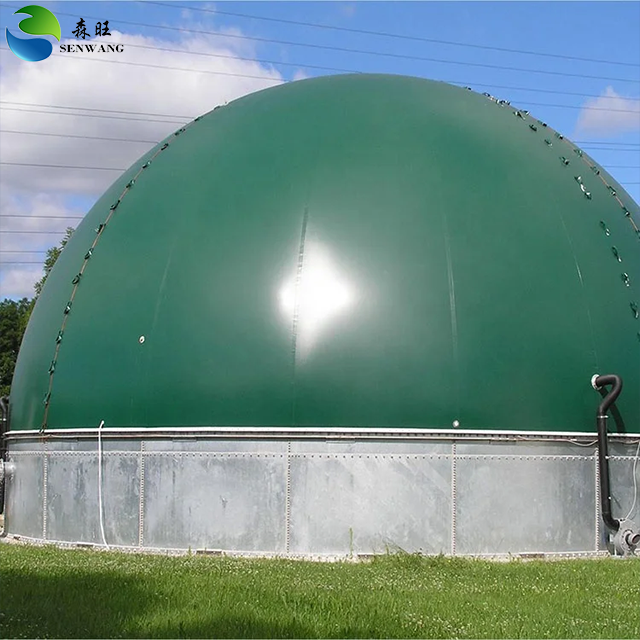
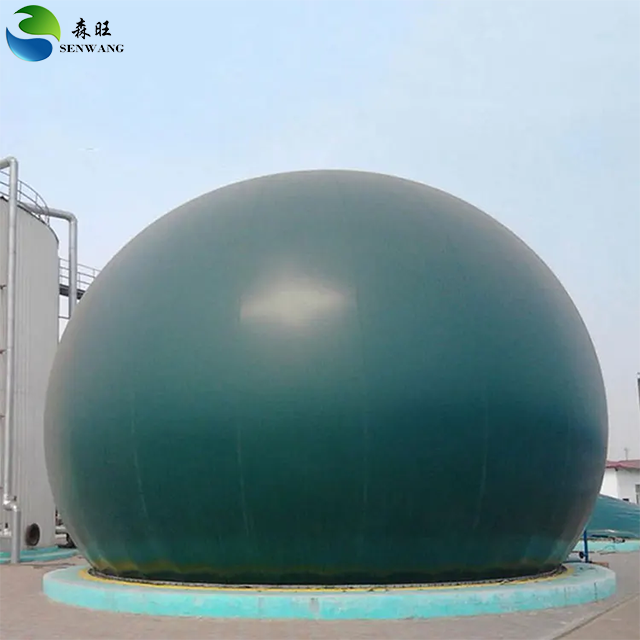
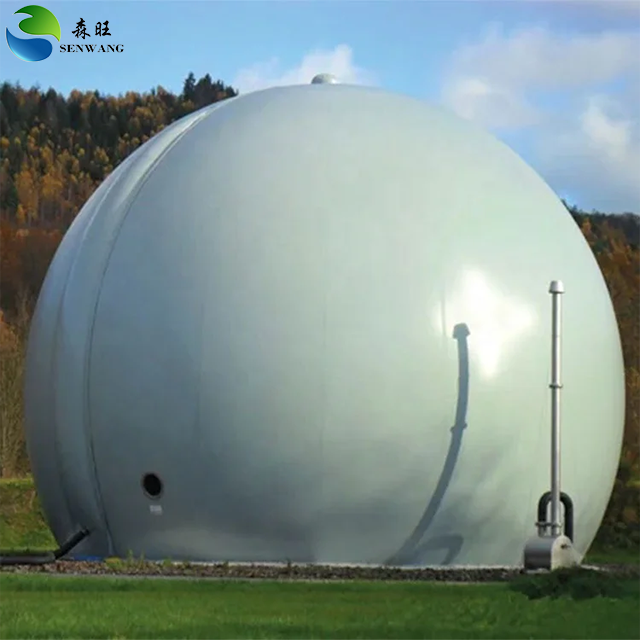
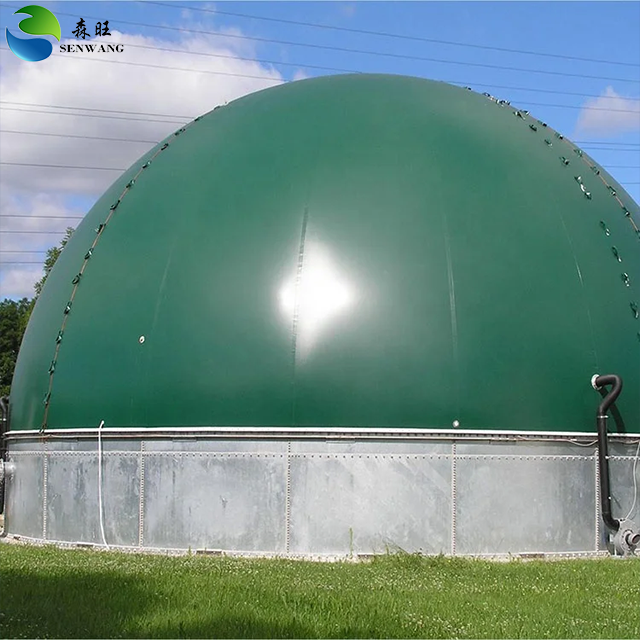
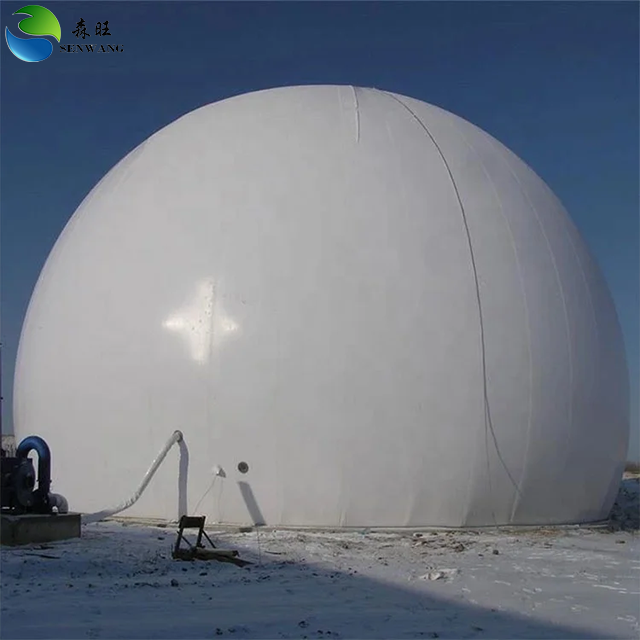
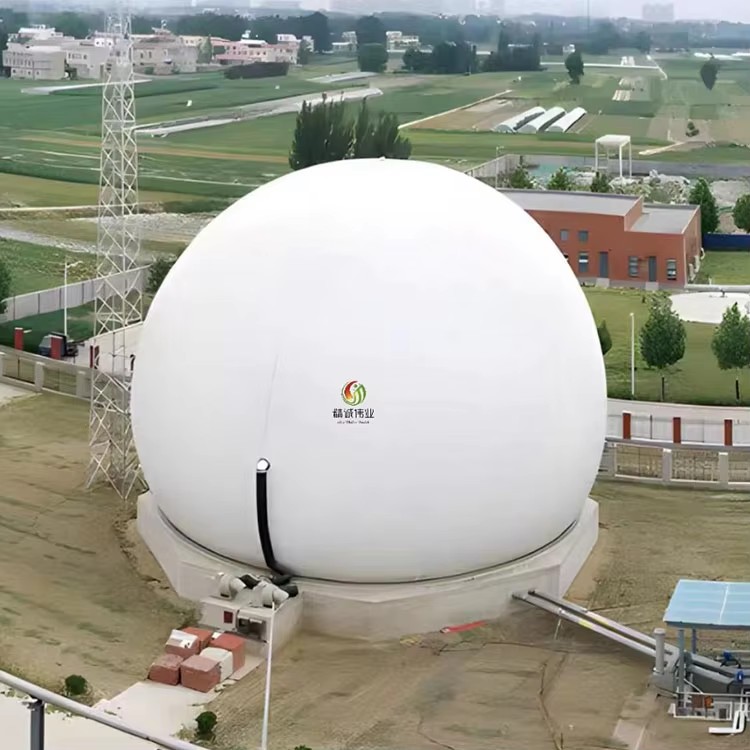
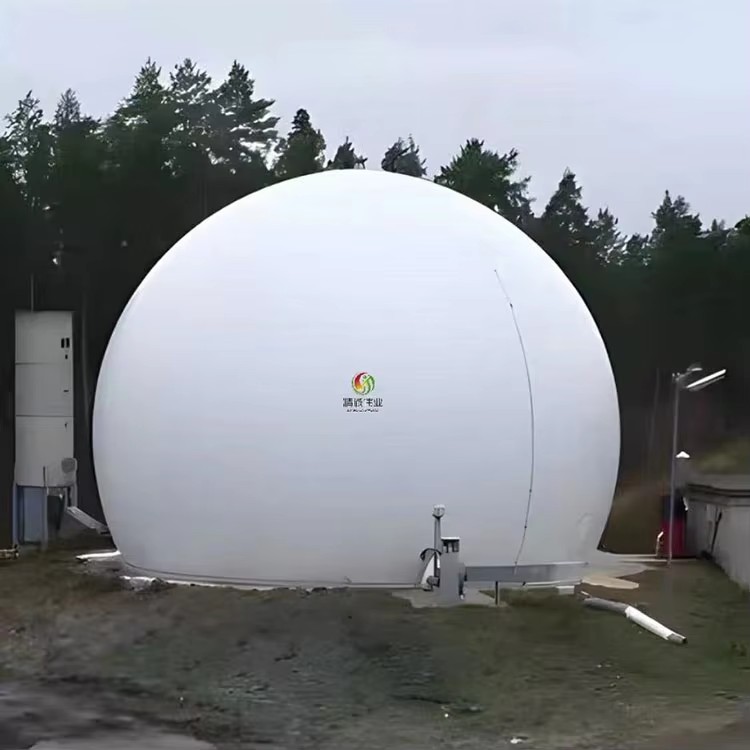
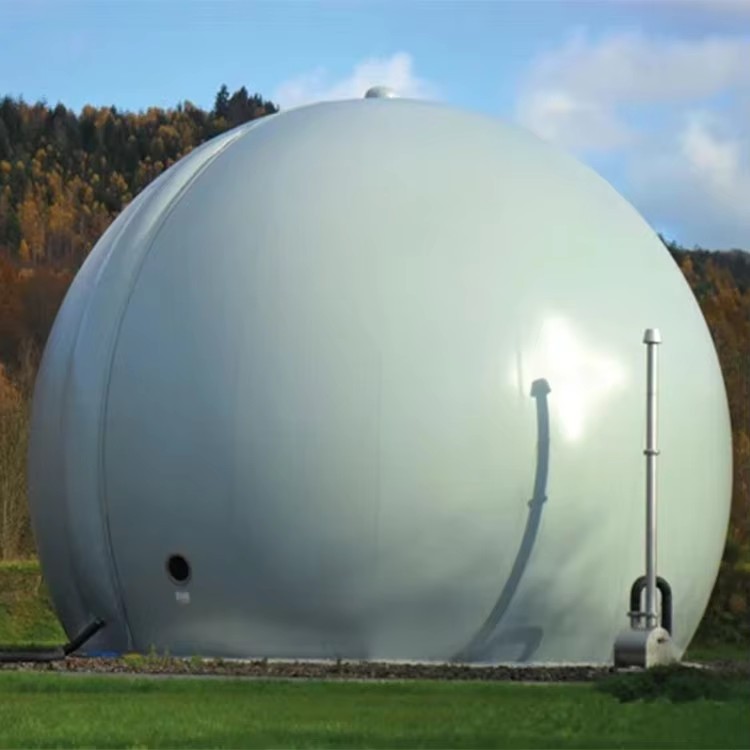
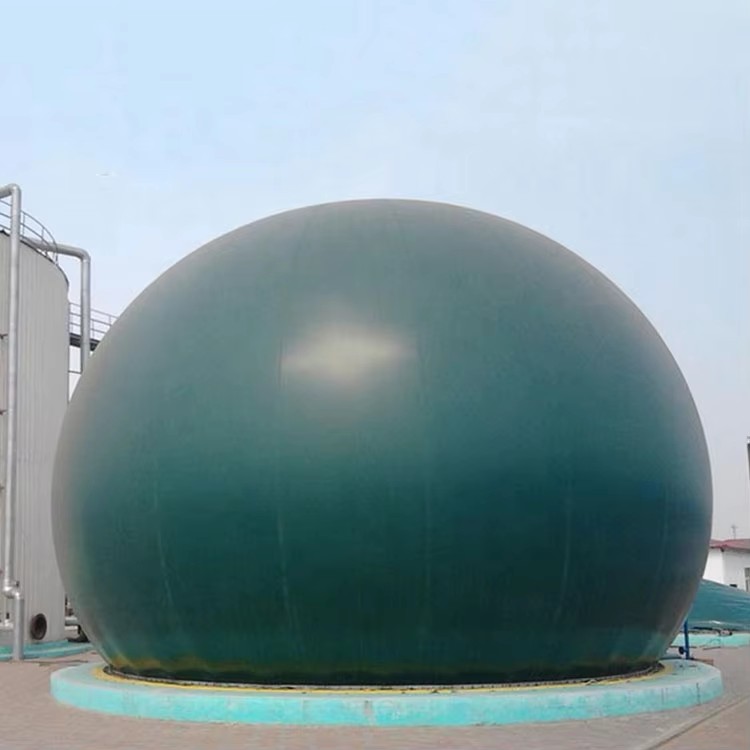
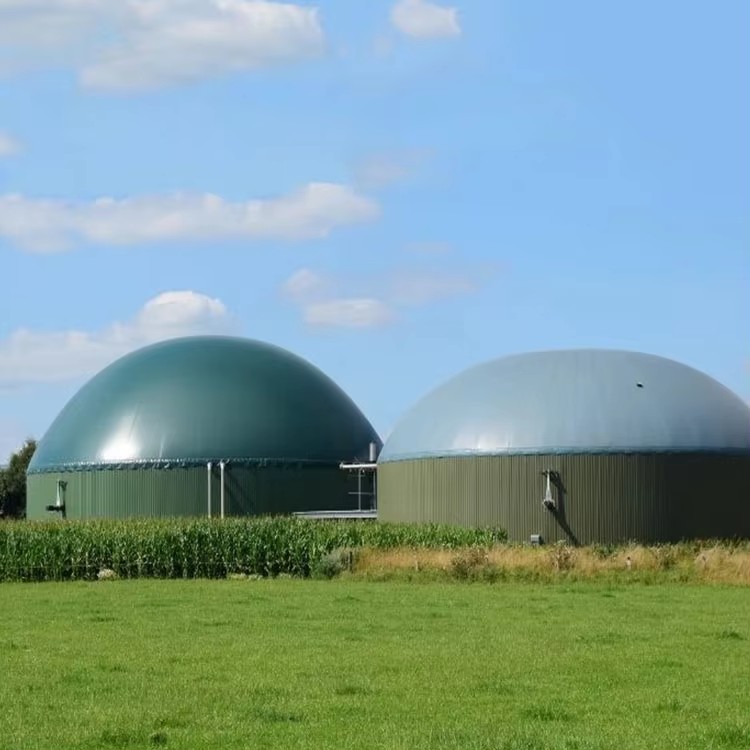
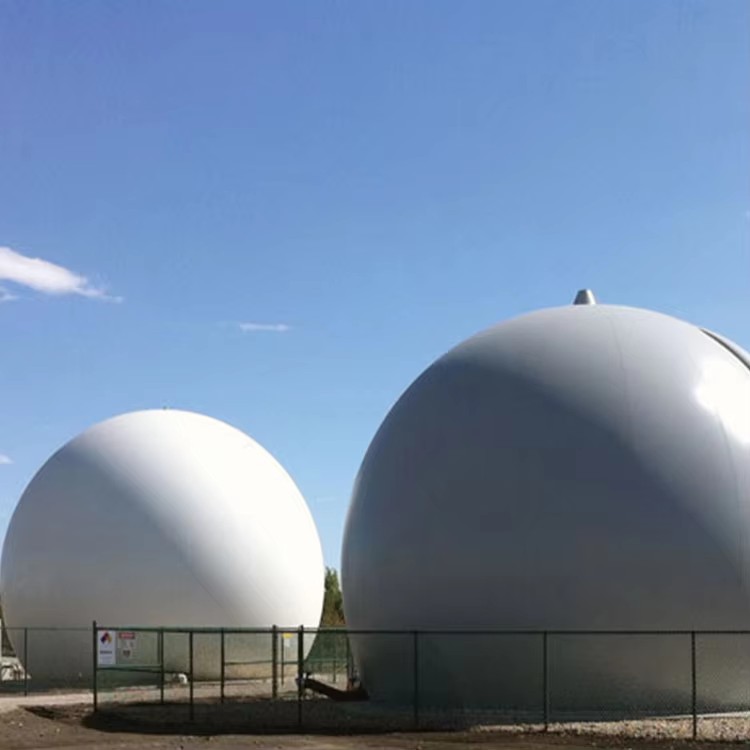
Double Membrane Biogas Storage Balloon for Chemical Application with High Methane Content
product description
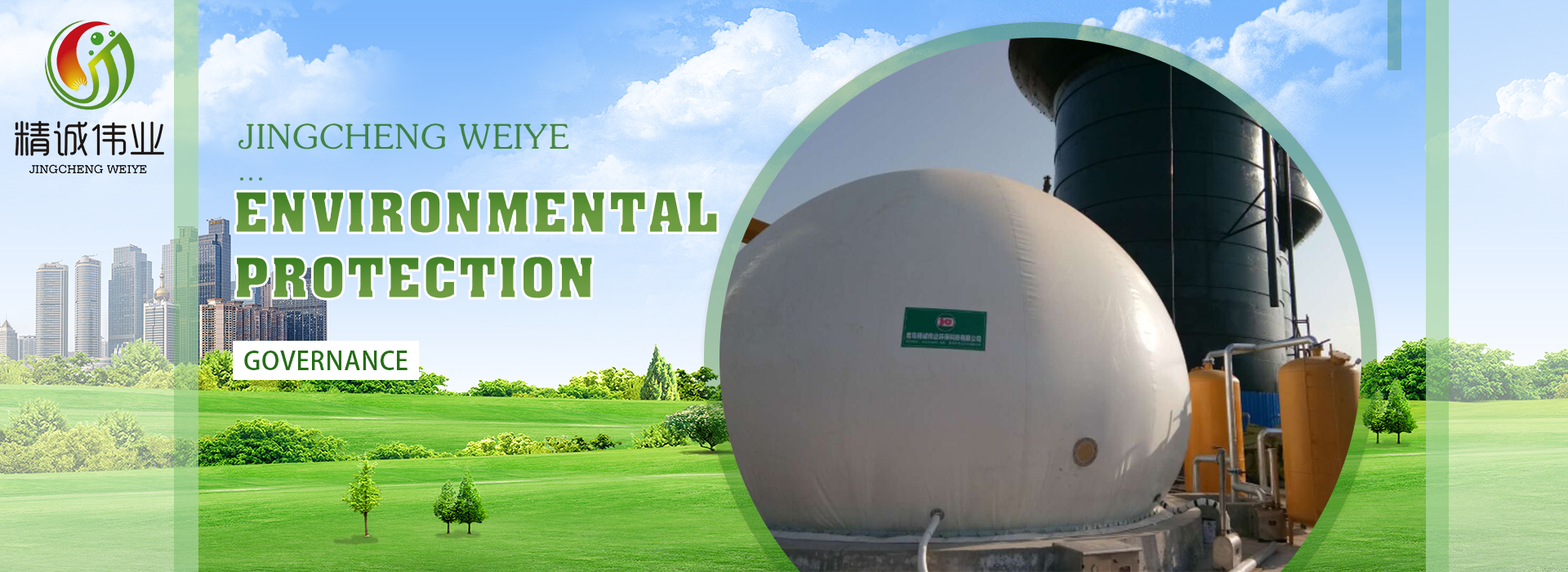
Our Advantages
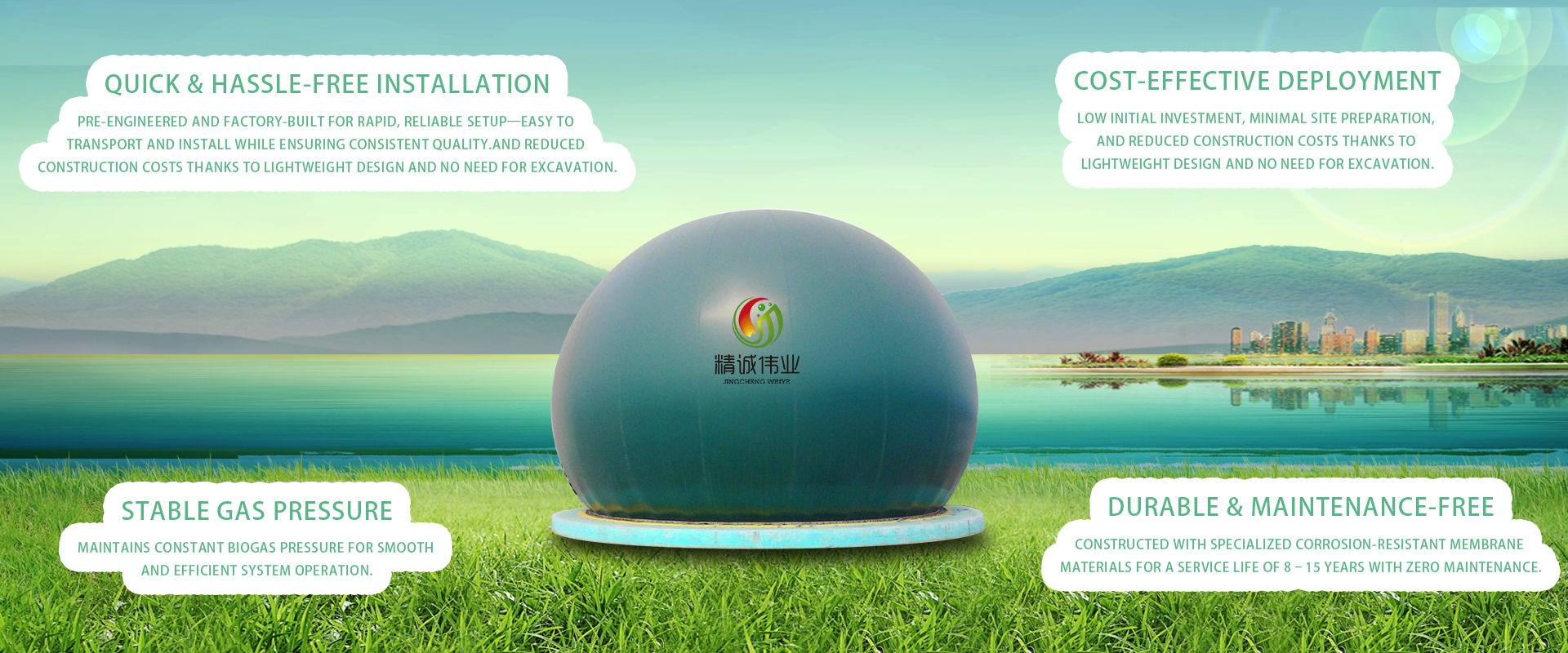
Why Choose Us
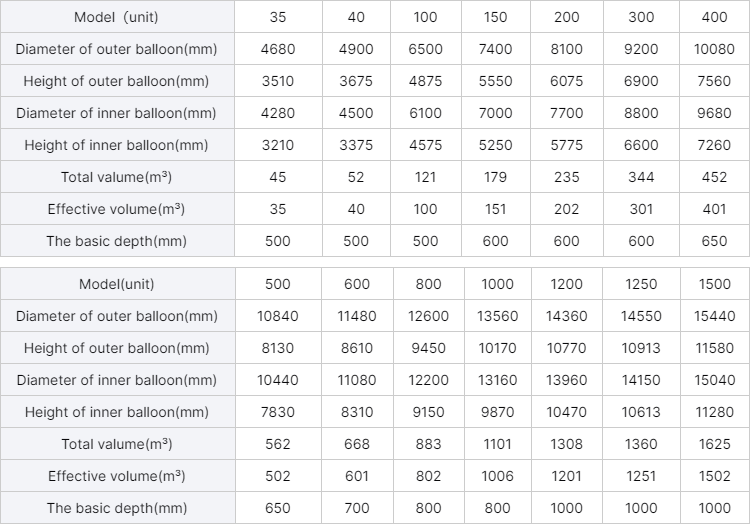
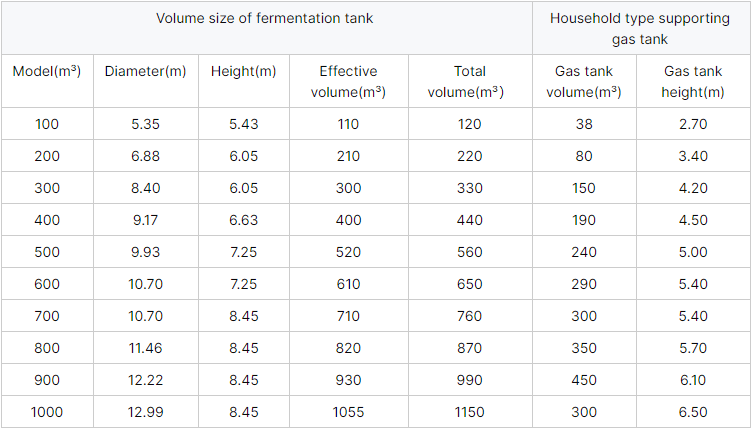
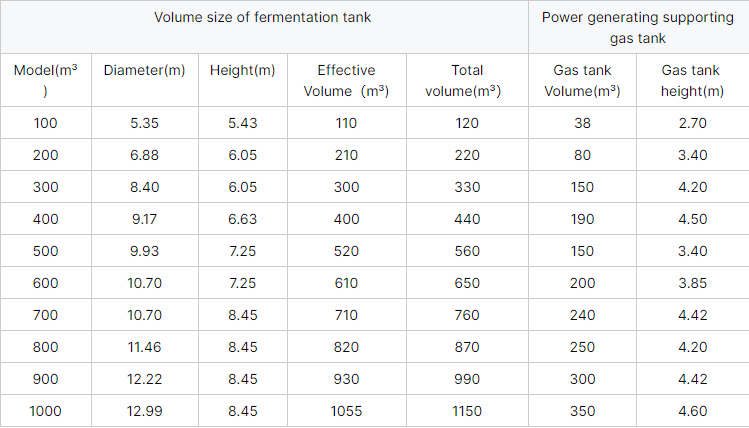
Product Paramenters
Product Introduction
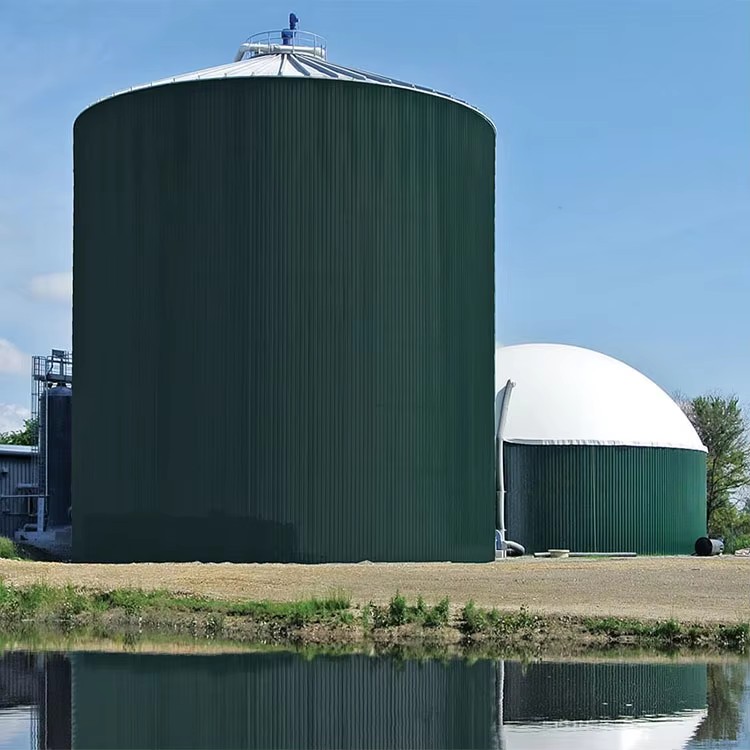
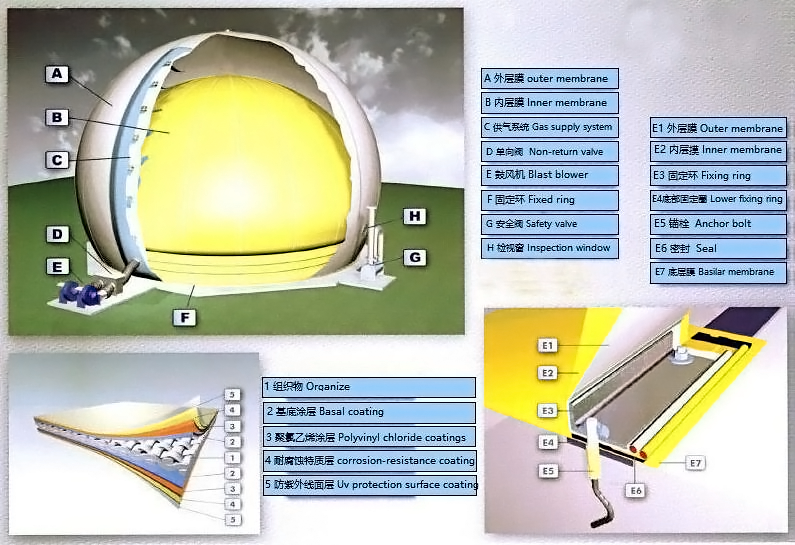
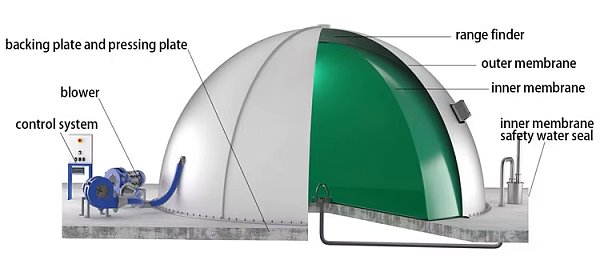
Double membrane flexible gas holder
As one of our company’s main products, the double membrane flexible gas holder is designed by our
Product Structure

Company Profile
Packaging and Shipping
FAQ
1. Regarding Sending Engineers to the Project Site
We highly value the successful execution of projects and subsequent technical support. Therefore, we promise to coordinate and dispatch members of our senior engineering team to your project site. The engineers will undertake key tasks including, but not limited to, site surveys, equipment installation supervision, system commissioning, operator training, and initial operational support. Regarding related costs, in accordance with industry practice and our policies, the service recipient is responsible for all local expenses incurred by the dispatched personnel during the project period. This includes: market-standard salaries, legally mandated personal accident and health insurance, safe and comfortable accommodation, and all transportation costs between the project site and our accommodation. We promise that all costs will be transparent and will provide a detailed cost breakdown and standard in the contract appendix to facilitate your budgeting and approval.
2. Regarding Equipment Delivery Time
We understand that project timelines are crucial for our clients. Based on our mature production system and supply chain management, our standard delivery cycle for standard equipment models is typically controlled to around two months. However, the final delivery time of a project requires comprehensive consideration of multiple variables: for example, the scale of the project, whether there are special anti-corrosion or high-temperature resistance requirements, the degree of customization of automation control, and the procurement cycle of key imported components. After both parties sign the cooperation agreement, our project management team will immediately develop a detailed "Project Master Plan Schedule" for you, clearly outlining the timelines for all key milestones, including design, procurement, production, in-plant testing, and logistics and shipping, ensuring the entire process is controllable and transparent.
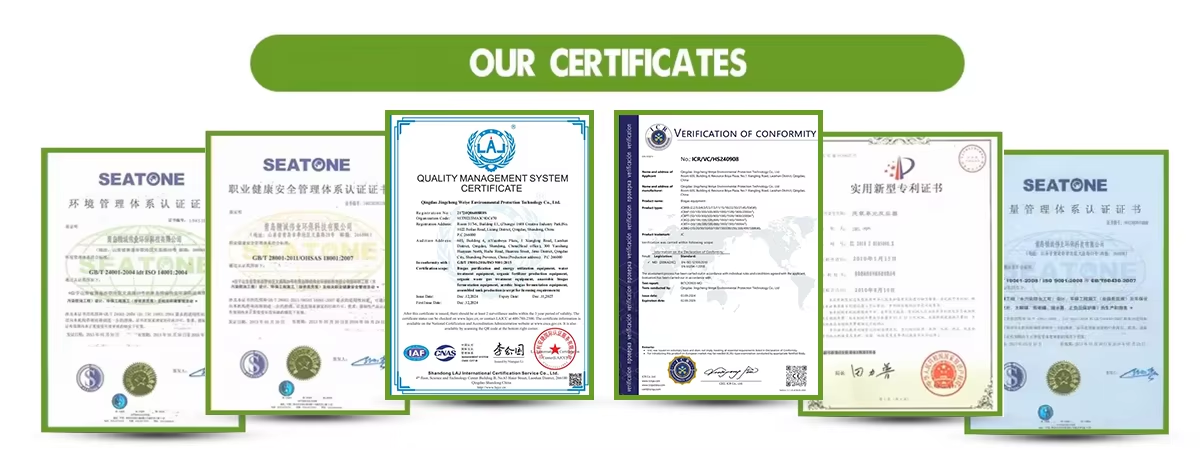
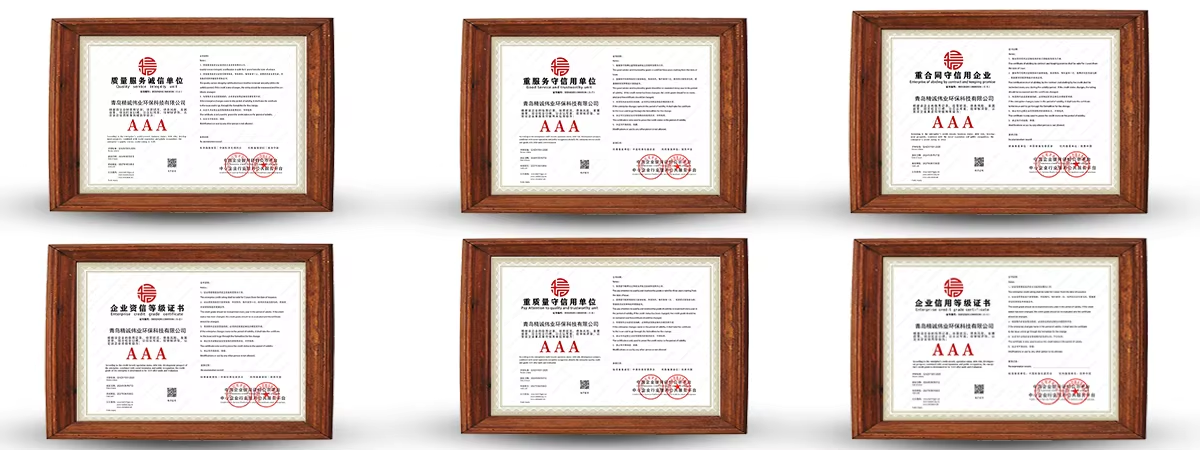
3. Regarding Certifications
As a company committed to participating in the global market, we always prioritize quality, safety, and environmental standards. Currently, we have obtained several internationally recognized certifications, which fully demonstrate the reliability of our systems and products. These mainly include:
CE Certification: This indicates that our products meet the stringent health, safety, and environmental standards of the European Economic Area, serving as a passport for our products to enter the EU market.
ISO 9001 Quality Management System Certification: This ensures that every stage, from design, procurement, production to service, is under a standardized and regulated quality management system, providing a fundamental guarantee for high product quality and stability.
In addition, we are actively applying for other regional certifications based on market needs, and can assist with obtaining specific certification documents required for the project location upon client request.
4. Regarding Equipment Manufacturer Status
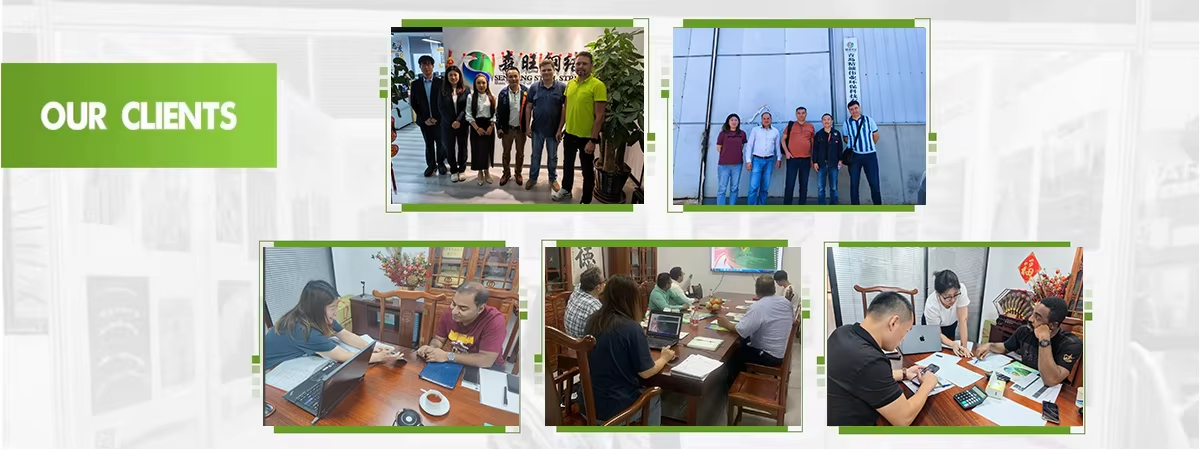
We clearly confirm that we are a physical manufacturer with completely independent intellectual property rights and production bases. Since our inception, we have focused on in-depth research and development and lean manufacturing of biogas technology and equipment, and have gone through more than 20 years of development. We not only sell products, but also provide comprehensive solutions from project consulting, process design, core equipment manufacturing to installation guidance. To date, we have successfully delivered more than 500 biogas projects of different types worldwide. This valuable practical experience enables us to easily handle various complex operating conditions and technical requirements, which is our fundamental advantage over ordinary traders or integrators.
5. Regarding Minimum Order Quantity
We uphold the cooperative philosophy of growing together with our clients. Therefore, our minimum order quantity is set at one set of equipment. We deeply understand that many valuable projects (such as farm-level, community-level, or specific industrial waste treatment projects) may be limited in scale in their initial stages. We are willing and able to provide these small and medium-sized projects with highly cost-effective standardized products or moderately customized solutions to help your environmental protection and energy projects get off to a smooth start.
6. Regarding Product Export Regions
Our market network spans the globe. To date, our equipment and solutions have been successfully exported to dozens of countries and regions in South America (such as Brazil and Argentina), Africa (such as Kenya, South Africa, and Nigeria), Asia (such as India, Southeast Asian countries, and Central Asia), and Europe (such as Eastern Europe and the Balkans). In this process, we have accumulated extensive experience in international project execution and established long-term partnerships with many well-known logistics and shipping companies, enabling us to efficiently handle the entire process, including export customs declaration, international transportation, and destination customs clearance, ensuring that equipment arrives at the project site safely and on time.
7. Required Information for Quotation
To ensure our solution design and quotation are accurate, feasible, and cost-effective, we kindly request your assistance in providing the following key information:
Raw Material Characteristics: The main types of organic waste to be processed (e.g., pig manure, cow manure, corn stalks, kitchen waste, alcohol waste mash, etc.), and their key parameters, such as average moisture content, volatile solids (VS), and carbon-to-nitrogen ratio (C/N). A chemical composition analysis report of the raw materials would be ideal.
Processing Capacity: The estimated raw material tonnage to be processed daily or hourly. Understanding whether the raw material supply is continuous or intermittent will help us optimize system configuration.
Biogas Application: The specific utilization direction of the biogas produced, which will directly determine the configuration of subsequent purification and upgrading equipment. Will it be used to drive a generator set for grid-connected/off-grid power generation? Or will it be purified to CNG or Bio-NNG standards? Or will it be used directly for boiler combustion or kitchen cooking?
8. Types of Waste That Can Be Processed
Our core technology lies in our highly efficient anaerobic fermentation process, which has an extremely wide range of applications and can effectively treat the vast majority of types of organic waste. We have engineering experience in processing a variety of materials, specifically including:
Agricultural waste: Livestock manure (chicken, pig, cattle, etc.), crop straw, and agricultural processing by-products.
Municipal and industrial waste: Kitchen waste, municipal sludge, food processing plant waste (such as fruit and vegetable scraps, slaughterhouse wastewater, and brewing waste liquid), and certain specific organic chemical wastewater, etc.
We tailor our pretreatment systems, fermentation tank selection, and agitation methods to the characteristics of different materials to ensure optimal fermentation efficiency and gas production rate.
9. Regarding Energy Output Forms
Yes, our system is highly flexible, capable of converting biogas into various high-value end-use energy products to meet your different revenue model needs:
Power Generation: Biogas can be directly supplied to dedicated gas-fired internal combustion engine generators or gas turbines to generate electricity for your own use or to sell surplus electricity to the grid, achieving energy self-sufficiency and revenue from electricity sales.
CNG Conversion: Through advanced purification (desulfurization, decarbonization, dehydration) and refining technologies, methane in biogas can be purified to over 95%, producing compressed natural gas (CNG) that meets national standards. This CNG can be used as vehicle fuel or industrial fuel, offering higher economic value.
Clean Cooking Gas: After preliminary desulfurization and dehydration treatment, biogas can be used as a clean gas with characteristics similar to piped natural gas, directly supplied to residential or commercial kitchens.
We will recommend the most suitable energy output solution for you based on your resource conditions, local energy policies, and market demand.
10. Regarding Equipment Service Life
Our design and material selection for core fermentation equipment (such as tanks and specialized agitators) are based on the principles of longevity and durability. Provided you strictly adhere to our provided "Equipment Operation and Maintenance Manual" and implement our recommended regular inspection and preventative maintenance plan, the designed service life of the entire biogas system (excluding consumable parts) is expected to exceed 20 years. To ensure this, we provide technical support services throughout the entire project lifecycle, including remote diagnostics, regular follow-up visits, spare parts supply, and major equipment overhaul services, fully guaranteeing that your investment project will stably and efficiently generate economic and environmental benefits over a decades-long operational period.
Inquiry Now